10 to 25 - A Roadmap for Navigating Early Adulthood Mentorship
8 min read
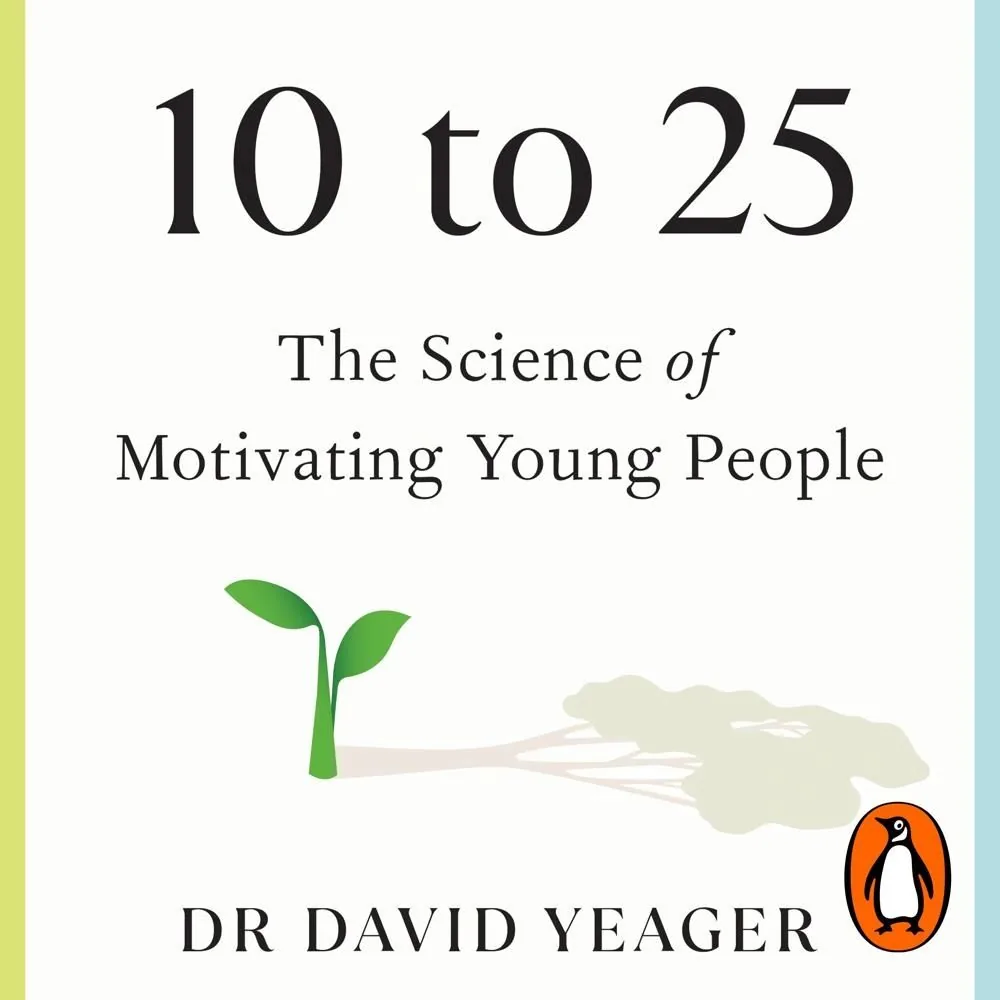
10 to 25: The Science of Motivating Young People by David Yeager provides a fresh, research-based perspective on guiding young people through the crucial developmental years between 10 and 25. By exploring the science behind motivation, brain development, and social dynamics, Yeager offers actionable insights for parents, educators, coaches, and mentors. The book sheds light on the unique challenges faced by young people and provides strategies for helping them navigate this critical period.
10 to 25: The Science of Motivating Young People by David Yeager provides a research-based roadmap for guiding young people through the critical years between 10 and 25. By exploring the science behind motivation, brain development, and social dynamics, Yeager offers actionable insights for mentors, educators, parents, and coaches who work with young people. This book provides a new framework for understanding how to support the next generation in achieving their potential while helping them navigate the emotional and cognitive complexities of growing up.
Main Takeaways from 10 to 25
- The Mentor’s Dilemma:
One of the core ideas in 10 to 25 is what Yeager calls the “mentor’s dilemma.” This dilemma is the tension between being too authoritarian—risking a young person's disengagement—or being too lenient—risking a lack of accountability. Yeager suggests that neither extreme is ideal. The secret is providing balanced, empathetic feedback that holds young people to high standards while maintaining their motivation and confidence. This is especially important during a developmental period where young people are highly sensitive to social dynamics and are working to build their identities. - Sensitivity to Social Experiences:
Young people in the 10 to 25 age range are particularly attuned to social dynamics—both positive and negative. Social feedback can have a significant impact on their emotional wellbeing and academic performance. Positive experiences, such as encouragement and recognition, can boost their motivation, while negative feedback or social exclusion can lead to disengagement. Mentors who understand this sensitivity can offer WISE (Well-intentioned, Insightful, Specific, Encouraging) feedback, which helps build trust, confidence, and resilience. - Understanding What Drives Young Adults:
Yeager emphasizes that young adults are often driven by a desire for validation and status. Recognizing this need and providing opportunities for young people to succeed and feel valued is key to motivating them. When mentors understand the underlying drivers behind young people's actions, they can offer more relevant and effective guidance. - Empowering Young People Through Practical Strategies:
Yeager offers practical, targeted advice for empowering young people by giving them meaningful work and fostering their sense of autonomy. Encouraging young people to take responsibility for their tasks and reinforcing the idea of the “manager in their head” helps them develop self-discipline and accountability. This approach helps them transition from being externally motivated to developing their own internal standards for success. - Avoiding Grown-Splaining:
"Grown-splaining"—when adults talk down to young people or oversimplify issues—can lead to frustration and disengagement. Yeager warns against this patronizing approach and advocates for respectful, meaningful communication that acknowledges young people's capacity for critical thought. Engaging young people in discussions about their work and encouraging them to explore complex ideas helps build mutual respect and deeper engagement.
The Importance of WISE Feedback
One of the most critical concepts in 10 to 25 is the value of WISE feedback. WISE feedback is more than just words; it's a way of communicating respect and belief in a young person's potential. The secret sauce of WISE feedback isn’t simply in the message itself, but in the dignity and respect it affords young people, especially when they are vulnerable. It acknowledges their capacity for growth and demonstrates that they are trusted to rise to high expectations.
As Yeager points out, WISE feedback is not a magic formula that can be bought off the shelf. It cannot be packaged on a Post-it Note and sold as a cure-all for the achievement gap. Instead, it is deeply human—a way of showing young people that their mentors believe in their ability to succeed. It’s about creating an environment where feedback is seen as a tool for growth rather than a judgment on their abilities. This form of feedback fosters resilience, reinforces a growth mindset, and encourages continued effort, even in the face of setbacks.
Social Sensitivity and the Importance of Trust
Yeager’s insights into young people's sensitivity to social dynamics are directly applicable to fostering trust in the classroom or workplace. Young people are acutely aware of how they are perceived by their peers and mentors, and their responses to social experiences—whether positive or negative—can have lasting effects on their emotional well-being and academic performance. Recognizing this sensitivity allows educators to be more thoughtful in their interactions, offering support through WISE feedback and avoiding behaviors like grown-splaining that can harm trust.
Practical Insight: Be aware of how your words and actions can influence young people. Offer consistent support and constructive feedback while maintaining an open and respectful dialogue. Ensure that your communication is empowering rather than patronizing, and encourage students to trust in their own abilities.
Relating 10 to 25 to the CORE Framework
The principles outlined in 10 to 25 deeply resonate with the pillars of the CORE Framework—Concise, Organized, Relevant, and Engaging. Integrating the lessons from Yeager’s book into the CORE Framework can make teaching, mentoring, and guiding young people more effective.
- Concise:
The principle of providing WISE feedback is closely related to the Concise pillar. Yeager’s advice for delivering Well-intentioned, Insightful, Specific, and Encouraging feedback echoes the need for clear, focused communication in education. Instead of overwhelming young people with vague or overly complex instructions, concise feedback focuses on the essentials, helping them understand exactly what they need to improve and how they can grow.
Practical Insight: When giving feedback, try to distill your messages down to what really matters. Focus on one or two key areas of improvement and provide actionable advice that students can implement right away. Avoid long-winded explanations, which can confuse or overwhelm young learners. Instead, make your feedback direct and to the point, helping them grasp what is important. - Organized:
Yeager emphasizes the importance of structure in guiding young people. In the CORE Framework, the Organized pillar refers to the way content and tasks are structured to promote understanding and progress. By organizing learning experiences in a clear and logical way, educators can help young people build connections between ideas and skills. This ensures that students can follow a clear path toward their goals, much like Yeager’s approach to guiding young people through their developmental years.
Practical Insight: When structuring lessons or mentorship, ensure that there is a logical progression of skills and knowledge. Break tasks down into manageable parts that build on each other, allowing young people to experience small successes along the way. Use checklists or frameworks that help them organize their thoughts and actions, reinforcing the "manager in their head" concept that Yeager discusses. - Relevant:
One of Yeager’s key messages is the importance of making experiences meaningful for young people. The CORE Framework’s Relevant pillar emphasizes connecting learning to real-world applications and personal goals. By making learning directly applicable to students’ lives and aspirations, educators and mentors can keep them engaged and motivated. Relevance ensures that the work young people are doing feels important, not just like an academic exercise.
Practical Insight: Ask young people about their interests and goals, and find ways to connect what they’re learning to their passions. Whether it’s relating math problems to real-world scenarios or encouraging creative projects that reflect personal interests, making learning relevant to their lives will help them see the value in their work and stay motivated. - Engaging:
Engagement is critical for keeping young people motivated and invested in their learning. Yeager talks about empowering young people by giving them autonomy and responsibility in their tasks. The CORE Framework’s Engaging pillar emphasizes creating interactive and dynamic learning environments that capture and maintain students’ interest. By offering young people opportunities to take ownership of their learning, set personal goals, and reflect on their progress, educators can foster deeper engagement.
Practical Insight: Offer young people the chance to have more control over their learning. Allow them to set their own goals, choose their projects, and have a say in how they will be assessed. This not only keeps them engaged but also fosters a sense of responsibility for their own growth. By encouraging self-reflection and giving them space to explore their interests, you can create a more engaging and meaningful learning experience.
Conclusion
10 to 25 by David Yeager offers invaluable insights into the challenges and opportunities of guiding young people during their formative years. The book's emphasis on WISE feedback, the mentor’s dilemma, and the importance of social sensitivity aligns perfectly with the CORE Framework’s focus on creating meaningful, effective learning experiences. By understanding what truly motivates young people and offering them opportunities for autonomy and growth, educators and mentors can better support their development, helping them succeed both in their personal lives and in their educational and professional endeavors.
By applying the CORE Framework in a way that reflects the lessons of 10 to 25, educators can create structured, relevant, and engaging learning environments that meet the unique needs of young people, helping them flourish both inside and outside the classroom.
Recommended Podcasts for Further Exploration:
To dive deeper into the concepts discussed in 10 to 25, we recommend the following podcasts where Dr. David Yeager shares his expertise on motivating young people:
- The Art of Manliness Podcast - Episode 1012: The Science of Motivating Your Kids and Any Young Adult - In this episode, Dr. David Yeager discusses the science of motivating young people, drawing on his research into the developmental years between 10 and 25. He provides insights into how parents, educators, and mentors can better support and inspire the next generation. Listen Here (opens in a new tab)
- The Science of Motivating Young People | Podcast with Dr. David Yeager - In this engaging podcast episode, Dr. Yeager breaks down the mentor's dilemma and explains the power of WISE feedback. He also discusses practical strategies for motivating young people and helping them thrive during their critical developmental years. Listen on YouTube (opens in a new tab)
- Apple Podcast - The Science of Motivating Young People with Dr. David Yeager - This podcast episode focuses on how adults can support and guide young people by understanding their unique needs and developmental processes. Dr. Yeager provides a fresh perspective on how to foster growth and resilience in today’s youth. Listen on Apple Podcasts (opens in a new tab)
Originally published on C.O.R.E Framework.