Radical Candor: Blueprint for Success in Teaching and Leadership
3 min read
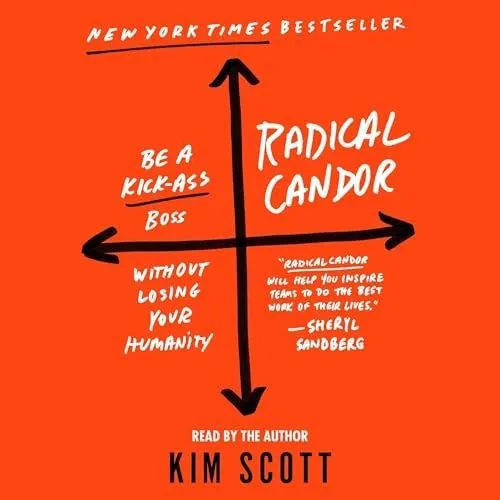
Originally penned by Kim Scott, a former executive at Google and Apple, Radical Candor: Be a Kick-Ass Boss Without Losing Your Humanity introduces readers to a revolutionary approach to feedback and relationship-building that can be just as transformative in academia as it has been in the corporate world.
Understanding Radical Candor
At its core, Radical Candor is about balancing two crucial elements: caring personally and challenging directly. This balance is essential for providing feedback that is not only honest but also constructive and supportive. Scott categorizes feedback into four quadrants:
- Radical Candor: The ideal feedback where you care personally and challenge directly.
- Ruinous Empathy: Caring deeply but failing to challenge, leading to unhelpful or unclear feedback.
- Obnoxious Aggression: Challenging directly without care, resulting in blunt, often hurtful feedback.
- Manipulative Insincerity: Neither caring nor challenging, characterized by insincere praise or backhanded criticism.
These principles are vital not only in corporate settings but also in academic environments where instructors and leaders are responsible for guiding and nurturing the next generation of thinkers and leaders.
Why Radical Candor Matters in Academia
For Teaching: Instructors who embrace Radical Candor can create a learning environment where students feel valued and understood while being challenged to reach their full potential. By caring personally, educators can build trust with their students, making them more receptive to feedback. When this trust is combined with direct and honest feedback, students are more likely to engage deeply with their learning, overcome challenges, and develop critical thinking skills.
For Leadership: Academic leaders, whether deans, department heads, or program directors, can also benefit from Radical Candor. Leading with Radical Candor means fostering a culture of open communication, where team members feel safe to express ideas and concerns and where feedback is seen as a tool for growth rather than criticism. This approach can lead to higher morale, better collaboration, and more effective and innovative academic programs.
Implementing Radical Candor in Academic Settings
- Start with Self-Reflection: Begin by evaluating your own feedback style. Are you more empathetic or more direct? Identify areas where you can directly improve the balance between caring personally and challenging.
- Create a Culture of Feedback: Encourage open dialogue in your classroom or department. Make it clear that feedback is a two-way street, where students and colleagues are also encouraged to provide feedback to you.
- Model Radical Candor: Demonstrate what Radical Candor looks like in practice. Be open about your challenges and growth areas, and show how constructive feedback has helped you improve.
- Incorporate Radical Candor into Professional Development: Offer workshops or training sessions on Radical Candor for faculty and staff. Institutionalizing this approach can create a more supportive and productive academic environment.
Engaging Further with Radical Candor
For those interested in delving deeper into the concepts of Radical Candor, consider the following steps:
- Read the Book: Start by reading Radical Candor by Kim Scott to fully grasp the nuances of this approach.
- Participate in Workshops: Look for workshops or online courses focusing on Radical Candor, many of which are available through the Radical Candor website (opens in a new tab)(Kim Scott (opens in a new tab)).
- Join a Community: Engage with others who are implementing Radical Candor in their institutions. Sharing experiences and challenges can provide new insights and ideas for application.
- Incorporate into Curriculum: Consider integrating Radical Candor into your curriculum, particularly in courses related to leadership, communication, or professional development.
Radical Candor is more than just a management tool; it’s a philosophy that can transform how we teach, lead, and connect with others in academia. By embracing this approach, we can create a more engaged, supportive, and innovative academic community, where both faculty and students thrive.
Originally published on C.O.R.E Framework.