Mindset: The New Psychology of Success by Carol S. Dweck
3 min read
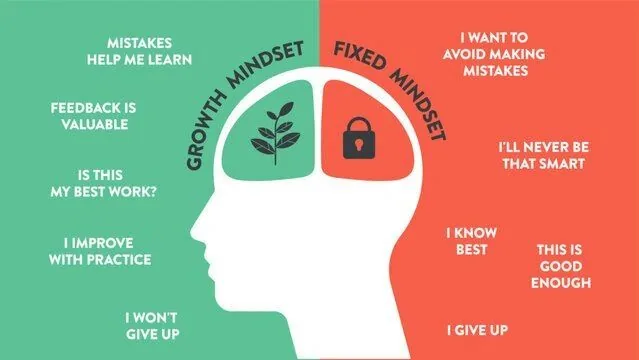
Mindset: The New Psychology of Success by Carol S. Dweck is a transformative book that explores the profound impact of our beliefs about our abilities and potential. Dweck introduces two core concepts: the "fixed mindset" and the "growth mindset," and demonstrates how these mindsets shape our behavior, our relationships, and our success in various aspects of life, including education, work, and personal growth.
Fixed Mindset vs. Growth Mindset
Fixed Mindset: Individuals with a fixed mindset believe that their abilities, intelligence, and talents are static and unchangeable. They often avoid challenges, fear failure, and give up easily when faced with obstacles because they view their abilities as inherent and unalterable.
Growth Mindset: Conversely, those with a growth mindset believe that their abilities can be developed through effort, learning, and perseverance. They embrace challenges, persist despite setbacks, and see effort as a necessary path to mastery and improvement.
Impact on Success:
A growth mindset fosters resilience, a love of learning, and a greater willingness to take on challenges—all of which are essential for long-term success. In contrast, a fixed mindset can limit personal growth and prevent individuals from reaching their full potential because they avoid situations where they might fail or struggle.
The Role of Praise:
Dweck highlights the importance of how we praise others. Praising intelligence or innate talent can reinforce a fixed mindset, leading individuals to fear failure and avoid challenges. Instead, praising effort, strategies, and progress encourages a growth mindset, promoting persistence and a positive attitude toward learning.
The Power of Yet vs. The Tyranny of Now:
One of the most empowering concepts in Dweck’s work is the idea of “the power of yet” versus “the tyranny of now.” The power of yet is the belief that while one may not have achieved a goal or mastered a skill yet, they have the potential to do so with time and effort. This contrasts with the tyranny of now, where individuals feel trapped by their current limitations, believing that they must succeed immediately or not at all.
The power of yet encourages patience, perseverance, and optimism, allowing individuals to view challenges as opportunities for growth rather than as threats to their self-worth. It shifts the focus from what one hasn’t achieved to what one is capable of achieving in the future with continued effort. Check out this great video (opens in a new tab) about the power of yet on YouTube (opens in a new tab)
Mindset: The New Psychology of Success offers invaluable insights into how our beliefs about our abilities influence our success and overall well-being. By adopting a growth mindset and embracing the power of yet, individuals can overcome obstacles, take on new challenges with confidence, and continue growing throughout their lives. This book is a must-read for anyone seeking to unlock their full potential and live a more fulfilling, resilient, and successful life.
Originally published on C.O.R.E Framework.