The Houseplant That Extended Lives
5 min read
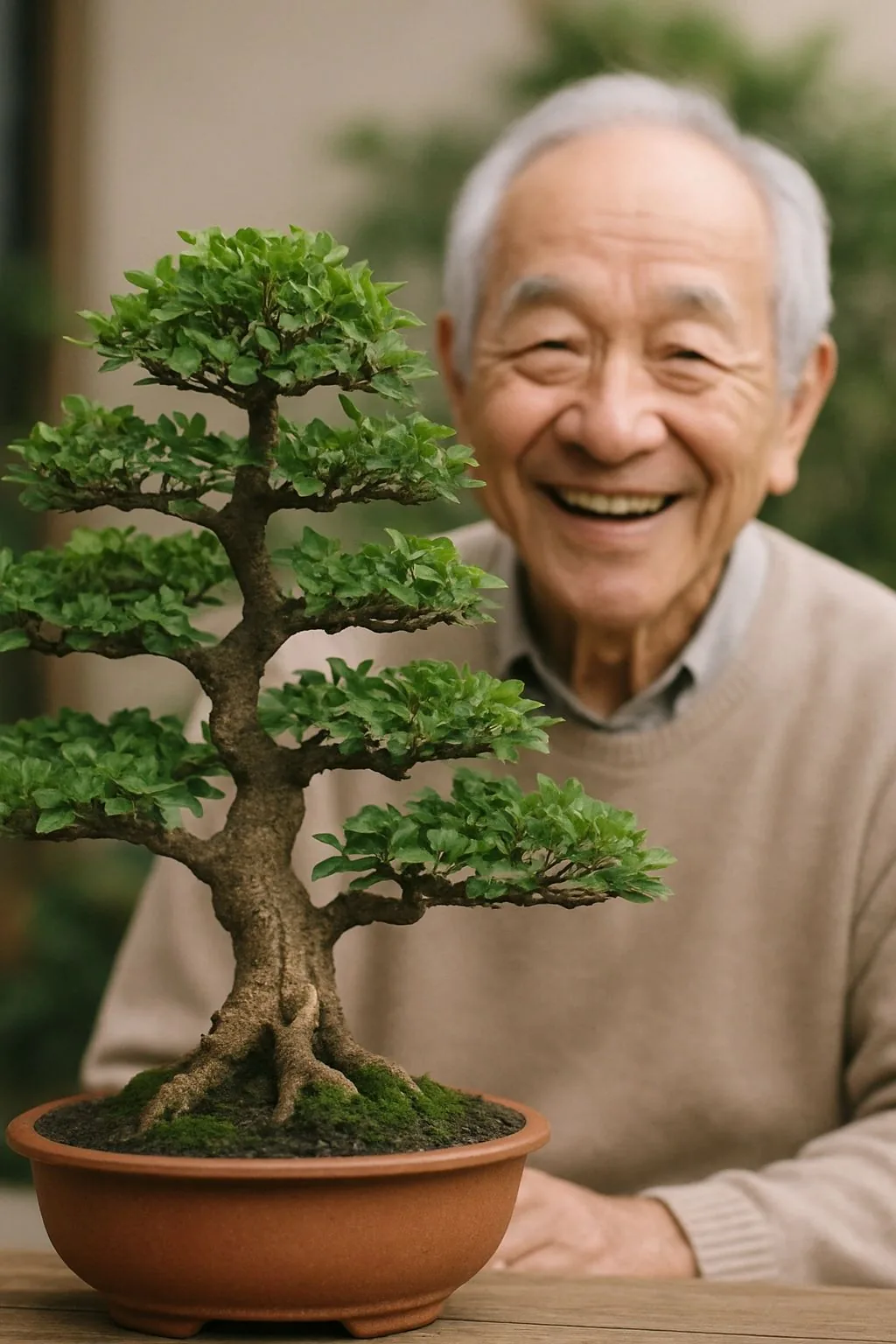
In 1976, two Yale psychologists conducted a deceptively simple experiment that would challenge everything we thought we knew about aging and autonomy. The intervention? A houseplant. The results? Remarkable improvements in health, happiness, and even survival rates among nursing home residents.
Nearly five decades later, this groundbreaking study by Ellen Langer and Judith Rodin continues to influence how we design care facilities and think about the importance of control in our lives. But what does current research tell us about these findings? Let's explore the original study and where the science stands today.
The Original Experiment: More Than Just Plants
In their 1976 Connecticut nursing home study, Langer and Rodin divided residents across two floors. The experimental group received a powerful message emphasizing personal responsibility: they could arrange their furniture as desired, choose their own activities, select which night to watch movies, and most importantly, they were given a plant to care for with the explicit instruction that its survival was their responsibility.
The control group heard a very different message. Staff emphasized their own responsibility for residents' care, including watering the plants that were given to them. These residents were told that decisions would be made for them by the caring staff.
The results were immediate and striking. Within three weeks, 48% of the responsibility group reported feeling happier compared to just 25% of the control group. They were significantly more active, alert, and engaged with fellow residents and staff. Nurses rated 93% of the experimental group as improved, compared to only 21% of the control group.
The Mortality Finding That Changed Everything
But the truly remarkable findings came 18 months later. In their 1977 follow-up study, Rodin and Langer found that the mortality rate in the responsibility group was just 15%, compared to 30% in the control group. For context, the average mortality rate at the facility in the 18 months before the study had been 25%.
This suggested something profound: reduced perceived control might contribute to premature death, while even modest increases in autonomy and responsibility could have sustained, life-extending benefits.
It's important to note that the intervention wasn't solely about plant care. The residents were given enhanced personal responsibility and choice across multiple aspects of their lives. The plant served as a tangible, daily reminder of their agency and control.
What Current Research Shows
Fast forward to today, and we have decades of research building on Langer and Rodin's work. Multiple systematic reviews and meta-analyses published between 2020 and 2025 have examined horticultural therapy's effects on older adults, and the evidence remains compelling.
Physical Health Benefits
A 2023 meta-analysis found that horticultural therapy may help seniors reduce waist circumference, lower stress and cortisol levels, and improve physical flexibility and social interaction. A 2022 systematic review concluded that horticultural therapy may improve physical function and quality of life in older adults while reducing BMI and enhancing positive mood.
Mental Health and Cognitive Function
The mental health benefits appear particularly robust. A meta-analysis of randomized controlled trials found that horticultural therapy has a medium effect size on mental health, with no studies showing negative effects. Research on cognitive function found that horticultural therapy programs significantly improved cognition, with a large effect size.
For depression specifically, multiple systematic reviews have demonstrated horticultural therapy's effectiveness in older adults, with studies showing reduced depressive symptoms across various settings.
The Mechanism: Why It Works
Contemporary research suggests the benefits extend far beyond the physical act of gardening. Studies emphasize that horticultural interventions improve what researchers call "mastery"—the belief that one's actions and choices determine outcomes in life. When older adults transition to assisted living, they often experience a loss of control that negatively impacts their sense of health and well-being.
Personal control has become a key concept in gerontology, with research consistently supporting its importance as we age. The original Langer and Rodin work contributed to today's philosophy of caring for older adults in ways that are passionate, humanistic, and empowering.
Important Caveats and Context
While the findings are encouraging, it's worth noting some limitations. Critical examinations of the original study have pointed out methodological concerns, including small sample sizes and statistical inconsistencies that were common in 1970s research but would face greater scrutiny today. Recent systematic reviews note that while evidence for horticultural therapy benefits exists, the robustness of evidence is lacking, and more rigorous randomized controlled trials are needed.
Additionally, the high degree of heterogeneity across studies cautions against direct clinical implications without careful consideration of context and individual needs.
Practical Applications Today
Despite these caveats, the core insight remains powerful and applicable. Even small changes that give residents greater autonomy can have significant impacts on their physical and mental health. While nursing home reform policies have been enacted since the 1970s, depression and feelings of hopelessness remain common, with perceived loss of control continuing as a significant problem.
For those supporting older adults, the lessons are clear:
Emphasize Choice and Responsibility: Look for opportunities to offer meaningful choices in daily routines, from meal selections to activity participation.
Create Opportunities for Care: Whether it's a plant, a pet, or involvement in meaningful projects, caring for something outside ourselves can provide purpose and structure.
Focus on Mastery: Help older adults maintain skills and develop new ones, reinforcing their belief that their actions matter.
Design with Autonomy in Mind: Care facilities are increasingly using horticultural activities to help new residents integrate and make spaces feel like home rather than "being in a home."
The Bottom Line
Langer and Rodin's work fundamentally changed gerontological theory, policy, and practice by demonstrating that personal control matters profoundly as we age. While a houseplant alone won't transform someone's health, it can serve as a powerful symbol and daily practice of autonomy, responsibility, and agency.
Current research confirms what that simple 1976 experiment suggested: when we give older adults meaningful control over their lives—even in small ways—we don't just improve their mood or activity levels. We may actually help them live longer, healthier, and more fulfilling lives.
The real magic wasn't in the plant itself. It was in what the plant represented: the powerful human need to feel that our choices matter, that we have control over our own lives, and that we can still care for something beyond ourselves. That's a lesson that remains as vital today as it was nearly 50 years ago.
Originally published on C.O.R.E Framework.