Faculty Attitudes – The Power of Ecosystem Dynamics
9 min read
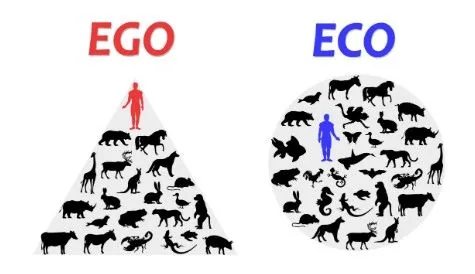
In higher education, the success or failure of innovation initiatives largely depends on the attitudes and dynamics within the faculty. The dynamics within a team—whether they operate as an "ecosystem" or an "egosytem"—can either accelerate or stifle innovation. Understanding these dynamics and assessing your faculty's approach can be the first step in fostering an environment where innovation thrives.
Ecosystem vs. Egosytem Dynamics
In leadership theory, an "ecosystem" refers to a collaborative and interconnected environment where individuals work together towards a common goal. In an ecosystem faculty, members understand that their collective success is tied to their ability to collaborate, share resources, and support one another. This dynamic is characterized by openness, mutual respect, and a shared vision. Innovation flourishes in such environments because new ideas are nurtured, different perspectives are valued, and risks are shared.
On the other hand, an "egosytem" is an environment driven by individual agendas, competition, and self-interest. In an egosytem faculty, members are more concerned with their own status, achievements, and recognition than with the collective success of the team. This dynamic can kill innovation because it stifles collaboration, breeds resentment, and discourages risk-taking. In such environments, new ideas are often met with skepticism or outright opposition, and the potential for growth is severely limited.
A study published in Research in Human Development underscores the differences between egosystem and ecosystem motivations, highlighting how egosystem-driven behavior often leads to short-term, self-serving actions that can harm group dynamics and inhibit collaborative innovation (Crocker & Canevello, 2018). Conversely, an ecosystem mindset fosters an environment where individuals are motivated by the well-being of the group, leading to more sustainable and innovative outcomes.
Insights from the Perils of an Egosystem and the Promise of an Ecosystem
An insightful article from the European University of Applied Sciences Magazine expands on the perils of an egosytem and the promise of an ecosystem, particularly within organizational contexts like academia. The article notes that an egosytem fosters a culture of fear, where individuals are afraid to share ideas, take risks, or challenge the status quo. This culture is characterized by a lack of trust and a pervasive sense of insecurity, where faculty members are more concerned with protecting their own positions than contributing to the collective good.
In contrast, an ecosystem promotes psychological safety—a concept where individuals feel safe to express their thoughts, take risks, and engage in open dialogue without fear of retribution or humiliation. This environment not only encourages the sharing of ideas but also fosters a sense of belonging and commitment to the organization’s goals (European University of Applied Sciences, 2023).
The article further highlights that in an ecosystem, the focus shifts from individual performance metrics to collective achievements. This shift is crucial in academia, where the success of educational programs, research projects, and student outcomes often hinges on collaborative efforts rather than individual accomplishments.
For a visual representation of the dynamics between egosystem and ecosystem, and how they influence innovation, you can explore this mind map: Egosystem vs. Ecosystem Dynamics (opens in a new tab).
How to Identify Your Faculty's Dynamics
Determining whether your faculty operates more as an ecosystem or an egosytem is crucial for understanding the potential for innovation within your department. Here are some signs to look for:
Ecosystem Indicators:
- Collaboration: Faculty members regularly collaborate on projects, share resources, and offer support to one another.
- Open Communication: There is a culture of open communication where ideas are freely shared, and feedback is constructive.
- Shared Vision: The faculty has a shared vision or mission that everyone is committed to, and decisions are made with the collective good in mind.
- Mutual Respect: Faculty members respect each other’s expertise and contributions, and conflicts are resolved in a healthy and productive manner.
- Course Feedback: Course evaluations are specific and detailed, and faculty members actively seek out and act upon student feedback to improve the course. There is a culture of safety where students feel comfortable expressing their true feelings and providing honest feedback.
Egosytem Indicators:
- Competition: Faculty members are more focused on their own success and are reluctant to share resources or collaborate with others.
- Closed Communication: Ideas are kept close to the chest, and there is a lack of transparency in decision-making processes.
- Individual Agendas: Decisions are often driven by individual interests rather than the collective good, and there is little alignment on a shared vision.
- Conflict and Resentment: Conflicts are common, and there is an underlying tension or resentment among faculty members.
- Course Feedback: Course evaluations are often very general, with little specificity or actionable detail. Faculty members may cherry-pick positive comments and ignore critical feedback. Additionally, there is often no culture of safety for students to express their true feelings, leading to skewed or superficial evaluations.
The Role of Course Feedback in Innovation
Course feedback is a critical tool for driving innovation and continuous improvement in education. However, how feedback is collected and acted upon can reveal much about whether a faculty operates as an ecosystem or an egosytem.
In an Ecosystem Faculty:
Feedback is viewed as a valuable resource for growth and development. Faculty members actively encourage students to provide detailed and honest feedback, creating a culture of safety where students feel comfortable sharing their true experiences. This feedback is then used to make meaningful improvements to the course, with faculty members working collaboratively to address any issues or challenges identified by the students. In this environment, course evaluations are specific, actionable, and directly tied to enhancing the student learning experience.
In an Egosytem Faculty:
Feedback is often viewed as a threat rather than an opportunity for improvement. Course evaluations may be kept very general, avoiding any detailed questions that could lead to criticism. Faculty members in an egosytem may cherry-pick positive comments to highlight while dismissing or ignoring negative feedback. This approach not only stifles innovation but also creates an environment where students are less likely to provide honest feedback, fearing that their comments may not be taken seriously or could even result in retaliation.
The Role of CORE Assessments in Spurring Innovation
The CORE framework—Concise, Organized, Relevant, and Engaging—can play a pivotal role in assessing and improving curriculum, thereby spurring innovation within a faculty. However, its effectiveness is largely dependent on whether the faculty operates as an ecosystem or an egosytem.
In an ecosystem faculty, CORE assessments are welcomed as a tool for continuous improvement. Faculty members are open to feedback, eager to collaborate on curriculum development, and committed to enhancing the learning experience for students. The shared vision of delivering high-quality education drives innovation, and the CORE framework serves as a structured approach to achieving that goal.
Conversely, in an egosytem faculty, CORE assessments are likely to be met with resistance. Faculty members may view the assessments as a threat to their autonomy or as an unnecessary intrusion. The focus on individual agendas means that there is little appetite for the collective effort required to implement meaningful changes. In such an environment, innovation is stifled, and the potential benefits of the CORE framework are lost.
Shifting from an Egosytem to an Ecosystem Faculty
If your faculty leans more towards an egosytem dynamic, there are several strategies you can employ to shift towards a more collaborative and innovative ecosystem:
- Cultivate a Shared Vision: Start by fostering a shared vision or mission that everyone can rally around. This could be a commitment to student success, a focus on research excellence, or a drive to enhance community engagement. When faculty members see the value in working together towards a common goal, they are more likely to collaborate and support one another.
- Encourage Open Communication: Create a culture of transparency and open communication. Encourage faculty members to share their ideas, provide feedback, and participate in decision-making processes. Regular meetings, collaborative platforms, and open-door policies can help facilitate this shift.
- Promote Collaboration Over Competition: A key strategy in shifting from an egosytem to an ecosystem is promoting collaboration over competition. Highlight the benefits of working together and create opportunities for team-based projects and cross-disciplinary research. The shift from "me" to "we" can be transformative, as it fosters a culture of shared success and mutual respect.
A resource from Duke Corporate Education elaborates on this idea, discussing how shifting from an egosystem to an ecosystem requires a reorientation from self-focused goals to collective achievements (Duke CE, n.d.). In academia, this can be as simple as structuring incentives around team success rather than individual accolades. - Foster Psychological Safety: As emphasized in the article from the European University of Applied Sciences Magazine, fostering psychological safety is crucial in creating an ecosystem where innovation can thrive. Faculty members need to feel safe to express ideas, take risks, and engage in candid discussions without fear of retribution. This can be achieved through clear communication, supportive leadership, and a culture that values diverse perspectives.
- Address Negative Behavior: Do not ignore the signs of Tall Poppy Syndrome. Address negative behavior directly, whether it’s passive-aggressive comments, exclusion, or undermining. Establish clear policies and consequences for actions that undermine a collegial atmosphere.
- Lead by Example: Leadership plays a crucial role in shaping faculty dynamics. As a leader, demonstrate the behaviors and attitudes you want to see in your faculty. Show a commitment to collaboration, openness, and shared success, and others will follow your lead.
- Integrate CORE Assessments: Use the CORE framework as a tool for bringing faculty together. By involving all faculty members in the assessment and development of the curriculum, you can create a sense of shared ownership and collective responsibility. Highlight how these assessments can lead to innovative teaching practices and improved student outcomes, aligning with the shared vision of the faculty.
- Revamp Course Feedback Practices: To shift from an egosytem to an ecosystem, start by overhauling the way course feedback is collected and used. Develop detailed, specific course evaluations that encourage students to provide honest and constructive feedback. Make it clear that this feedback will be used to improve the course and that their voices are valued. Create a safe environment for students to express their true feelings without fear of retribution. Ensure that feedback is reviewed by the entire faculty and used to make data-driven improvements to the curriculum.
Conclusion: Fostering Innovation Through Ecosystem Dynamics
Innovation in education is not just about new ideas; it’s about creating an environment where those ideas can thrive. Faculty attitudes and dynamics play a critical role in this process. By understanding whether your faculty operates as an ecosystem or an egosytem, you can take the necessary steps to foster a more collaborative, supportive, and innovative environment.
The CORE framework offers a structured approach to assessing and improving curriculum, but its success depends on the willingness of the faculty to embrace it. By shifting from an egosytem to an ecosystem dynamic, you can unlock the full potential of your faculty, driving innovation that benefits both educators and students alike.
References
Crocker, J., & Canevello, A. (2018). Egosystem and ecosystem motivation: When are they beneficial, when are they costly? Research in Human Development, 15(3-4), 171-186. https://doi.org/10.1080/15427609.2018.1500541 (opens in a new tab)
Duke Corporate Education. (n.d.). From egosystem to ecosystem: The role of leadership in fostering collaboration. Duke CE. Retrieved from https://www.dukece.com/insights/egosystem-to-ecosystem/ (opens in a new tab)
European University of Applied Sciences. (2023). The perils of an egosytem and the promise of an ecosystem. Retrieved from https://magazine.eau.university/the-perils-of-an-egosystem-and-the-promise-of-an-ecosystem-6aca08a916af (opens in a new tab)
Facebook Watch. (n.d.). The power of moving from an egosystem to an ecosystem. Retrieved from https://www.facebook.com/watch/?v=641178257305330 (opens in a new tab)
Originally published on C.O.R.E Framework.